Eco Pick of the Week: Create a calm, grounded vibe with warm cedar notes.


Published March 5, 2026 | 8 min read
Reducing plastic at home can feel overwhelming. It’s everywhere: food packaging, cleaning supplies, bathroom products, delivery materials. Trying to eliminate it isn’t realistic for most households. But reducing it in practical, manageable ways? That’s absolutely possible.
The goal isn’t zero plastic overnight. It’s building everyday habits that gradually decrease reliance on single-use items while keeping life convenient.
Here’s how to approach plastic reduction in real life, without stress or perfection pressure.
1. Start with What You Throw Away Most
Before making changes, observe your trash for a week. What shows up repeatedly? Snack wrappers? Water bottles? Plastic wrap? Takeout containers?
The items you discard most often are your best starting point. Replacing high-frequency plastics with reusable alternatives creates a noticeable impact quickly. For example, switching to refillable water bottles or food storage containers can prevent dozens of items from entering your bin each month.
Focus on patterns, not isolated purchases.
2. Rethink Kitchen Habits
The kitchen is often the biggest source of plastic waste. Plastic wrap, zip-top bags, cling film, and packaged produce add up fast.
Simple upgrades can make a big difference:
-
Store leftovers in durable containers.
-
Use washable wraps or lids instead of disposable film.
-
Buy loose produce when available.
-
Plan meals to reduce over-packaged impulse buys.
A well-organized fridge and pantry naturally reduce waste because food stays visible and gets used before expiring.
3. Simplify Cleaning Supplies
Many cleaning products come in plastic spray bottles that are discarded once empty. Switching to refill systems or concentrated solutions cuts down dramatically on packaging.
Choose multipurpose cleaners to avoid buying separate bottles for every surface. Pair them with reusable cloths instead of disposable wipes. This reduces plastic waste and streamlines your cleaning routine at the same time.
Efficiency and sustainability often go hand in hand.
4. Upgrade Bathroom Essentials
Bathrooms are another hotspot for plastic—think shampoo bottles, toothpaste tubes, disposable razors, and pump containers.
Consider refillable dispensers or solid alternatives where practical. Durable razors and reusable grooming tools can last years. Even small swaps in this space create a meaningful reduction over time.
Because bathroom routines are repetitive, sustainable changes here tend to stick.
5. Make Reusables Convenient
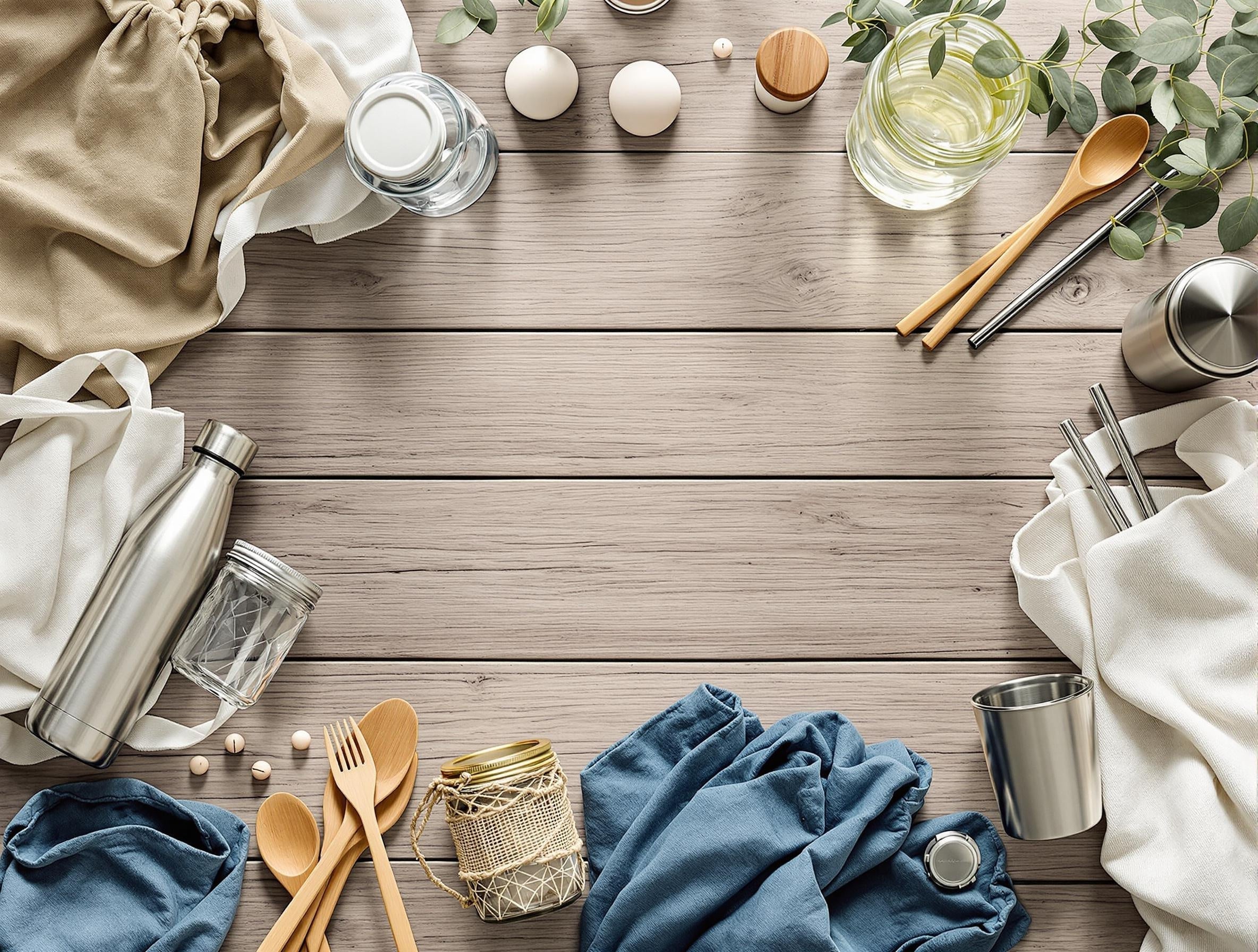
Reusable bags and bottles only reduce plastic if you actually use them. Convenience is everything.
Keep grocery bags in your car or near the door. Store a water bottle in your daily bag. Keep takeaway containers ready if you regularly order food. When reusables are visible and accessible, they become automatic habits rather than forgotten intentions.
6. Shop with Awareness, Not Perfection
Plastic reduction doesn’t mean avoiding stores entirely. It means becoming more mindful.
When possible:
-
Choose products with minimal packaging.
-
Buy in bulk to reduce wrapping.
-
Support refill stations where available.
-
Prioritize durable over disposable items.
Some plastic is unavoidable. The aim is reduction, not guilt.
7. Build Systems, Not Willpower
The most sustainable homes rely on systems. Designate a drawer for reusable wraps. Create a refill station under the sink. Keep recycling clearly labeled and easy to access.
Systems reduce decision fatigue and make low-plastic living part of your normal flow.
At mimro, we believe reducing plastic should feel practical and achievable. It’s not about dramatic lifestyle changes; it’s about steady improvements that fit into daily routines.
Replace high-use disposables first. Keep reusables visible. Create simple systems. Adjust at your own pace. Over time, these realistic habits significantly reduce household plastic while simplifying your space.
Small, consistent changes add up. And when reducing plastic feels manageable, it becomes something you sustain, not something you struggle with.